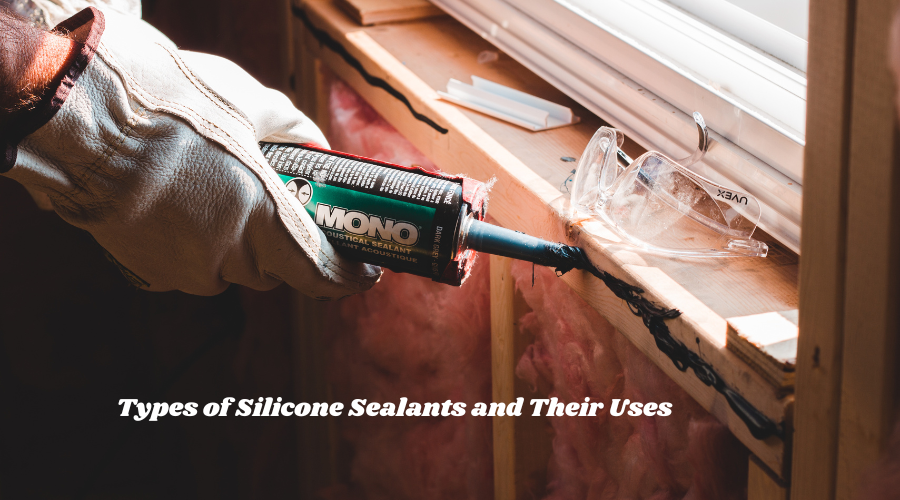
Silicone sealants have become very fundamental products in the construction and manufacturing sectors. They are versatile products that seal and prevent moisture and weather on surfaces. Silicone sealants serve different purposes, and choosing the right one guarantees success. Knowledge of possible variants enables experts to choose the right products for every application.
Basic Composition
Silicone sealants consist of materials that are made of silicone polymers and are flexible. Even when cured, they do not lose their elasticity, and sealed joints are capable of movement. Their flexibility makes them better than rigid sealants in most applications.
How They Work
These adhesives dry in the presence of atmospheric moisture. The liquid substance is converted into a rubbery substance through the process of curing. Cured silicone sticks to surfaces and is flexible and waterproof.
Why Industries Use Them
Silicone sealants are not sensitive to temperature changes, UV rays, and other chemical conditions, compared to others. They are more durable and can work under difficult circumstances. Such attributes render them useful in a variety of industries.
Chemical Properties
Curing acetoxy silicones emits acetic acid, which produces a vinegar fragrance. This type heals rapidly and sticks well to most non-porous surfaces. The release of acid during curing restricts its use with some types of material.
Best Applications
The sealants are very effective for general glazing and for sealing glass and ceramic tiles. They are used in construction projects in windows, bathroom fixtures, and aquariums. Their high stickiness and rapid cure make them very popular in quick jobs.
Material Limitations
The acetoxy silicones cannot be applied to metals, concrete, or natural stone. The acetic acid may corrode metals and destroy alkaline surfaces. There is always a verification that the material should be used with.
Gentle Chemistry
The silicones produced by neutral cure do not produce corrosive acids; they produce alcohol or other substances that are not corrosive. They do not emit any odor and do not destroy delicate materials. This allows them to be adapted to a variety of applications compared to acetoxy ones.
Versatile Uses
Neutral cure sealants are applied to metals, coated glass, stone, and concrete. They are applied by construction professionals in structural glazing, metal panel joints, and natural stone installation. They are used in the manufacturing activities of electronic assemblies and appliances.
Premium Performance
These sealants are more expensive than acetoxy sealants but are more versatile. The increased cost may be explained by the use of costly materials or delicate use, where a corrosion-prone failure cannot be tolerated.
Heat Resistance
Silicon formulations are made in specialized forms and can withstand 300 degrees Celsius at any given time. Some products can withstand even higher temperatures for a short time. This is the high-heat endurance of this sealant compared to most other sealant types.
Industrial Applications
High-temperature silicone is used in manufacturing plants for furnaces, ovens, and industrial equipment. Engine gaskets and exhaust system seals are also used in the automotive industry. Such sealants keep together what conventional products cannot.
Construction Uses
The construction work uses silicon for high-temperature applications around chimneys, wood stoves, and commercial kitchen equipment. The sealant prevents heat damage and maintains proper seals in hot environments.
Flexibility Characteristics
Silicones with low modulus are highly flexible upon curing. They can move the joints a lot without becoming adhesive or torn. This fact makes them suitable for use in expansion joints and in moving structures.
Where Movement Occurs
In construction, low-modulus sealants are used in expansion joints, curtain wall systems, and bridge connections. These applications move continuously in response to changes in temperature, wind forces, and the settling of the structures.
Long-Term Performance
The high flexibility eliminates the risk of failure to seal over decades of movement. Constructions and houses are weathertight even though they continually expand and contract.
Structural Strength
Silicones of high modulus are stronger and harder to cure than the low-modulus ones. They are excellent structural bonding substances, but a bit flexible. These sealants can support loads while sealing.
High-modulus silicones are used in structural glazing construction where the edifice's framework is attached to glass panels. The sealant should withstand the weight of the glass and resist the weather. They are used in the manufacture of assemblies to bond dissimilar materials.
Durability Benefits
The stiffer cure prevents vertical joints from sagging and helps retain dimensions. The high-modulus formulations have the advantage of being used in projects that need both sealing and bonding.
Wet Environment Uses
These sealants are necessary in showers, bathtubs, sinks, and kitchen counters. Sanitary silicone works well in any area that is exposed to water on a regular basis. The formulated form does not degrade due to constant moisture.
Fire Resistance
Fire-resistant silicones do not release flame or smoke because they maintain their seal during a fire. They swell under heat, filling the area and blocking fire passage through closed units. Such products have approved fire ratings.
Safety Applications
Fire-resistant sealants are required for pipes, cables, and ducts that pass through fire barriers per building codes. They are used in commercial buildings, hospitals, and multi-family housing. Firms that build fire compartmentation do so through proper installation.
Testing and Certification
Fire-rated silicones undergo rigorous testing to demonstrate performance. Find products that are certified to conform to certain fire criteria. Installation should be done according to the guidelines of the manufacturer to retain the fire ratings.
Special Properties
Specialized silicones contain conductive particles that conduct electrical current. They seal and offer electromagnetic interference protection. They are also used in electronics manufacturing for specific technical uses.
Manufacturing Uses
Conductive silicones are used in the assembly of electronic devices, aerospace components, and military equipment. They design closed-circuit electrical and EMI gaskets. These applications need sealing and electrical properties.
Technical Requirements
To apply it correctly, knowledge of electrical specifications and sealing requirements is needed. These are highly specialized products that are much more expensive than ordinary silicones, yet they address a special technical problem.
Silicone sealant exists in so many specialized types that have a particular use in construction and manufacturing. This has been assured by proper selection, preparation, and application of silicone sealants, which can give long-term and reliable results in any of the numerous applications in building and manufacturing processes.
Adhesives are everywhere. They join furniture, close gaps in bathrooms, bond construction materia
READ FULLA waterproof glue is also important for numerous projects at home and in workplaces. The common g
READ FULLIdentifying the appropriate polyurethane sealant distributor is crucial to the project's succes
READ FULL